Why Hardwood Floors Are a Soundproofing Challenge
Hardwood floors look stunning, but they create unique acoustic problems. Unlike carpet, which naturally absorbs sound, hard surfaces reflect noise, causing echoes, reverberation, and the transmission of impact sounds. When you walk across a wooden floor, footsteps create vibrations that travel through the subfloor and into the rooms below. This is known as impact noise. Additionally, airborne noise—voices, music, and television—bounces off hard surfaces, making rooms feel louder and less comfortable.
Understanding these two types of noise is essential before you begin. Impact noise requires dampening vibrations, while airborne noise requires absorption and mass. A complete soundproofing strategy addresses both.
Step 1: Identify Your Noise Problem
Before purchasing any materials, determine exactly what kind of noise you’re dealing with. Walk through the room and listen carefully. Are you hearing footsteps from above, conversations through the floor, or echoes within the room itself?
If the noise comes from a room below your hardwood floor, you’re battling impact noise transmitting downward. If you hear echoes inside the room, you’re dealing with airborne sound reflection. Many spaces suffer from both issues simultaneously. Pinpointing the problem ensures you invest in the right solutions instead of wasting money on ineffective fixes.
Step 2: Address Gaps and Cracks
Sound travels easily through even the smallest openings. Begin by inspecting your hardwood floor for gaps between planks, cracks near baseboards, and spaces around floor vents or pipes.
Use an acoustic sealant or quality wood filler to seal these gaps. Acoustic caulk remains flexible after drying, preventing it from cracking as the wood naturally expands and contracts. Pay special attention to the perimeter of the room where the floor meets the walls. Sealing these gaps creates an airtight barrier that significantly reduces airborne noise leakage.
Step 3: Use Soundproofing Underlayment
If you’re willing to lift your hardwood or are installing a new floor, soundproofing underlayment is one of the most effective solutions. This material sits between your subfloor and the hardwood planks, dampening vibrations and reducing impact noise.
Look for underlayment with a high Impact Insulation Class (IIC) rating. Cork, rubber, and foam underlayments are popular choices. Mass-loaded vinyl (MLV) is another excellent option, offering dense material that blocks sound transmission. While installing underlayment requires more effort, it delivers superior long-term results, especially for reducing noise that travels to rooms below.
Step 4: Lay Down Thick Rugs and Carpets
For a non-invasive solution, area rugs are remarkably effective. Thick rugs absorb sound, soften footsteps, and reduce echoes within the room. Choose rugs with dense, plush fibers and cover as much floor space as possible.
To maximize results, place a rug pad underneath. Rubber or felt rug pads add an extra layer of cushioning that dampens vibrations and prevents impact noise from traveling through the floor. The combination of a thick rug and quality pad can reduce noise transmission dramatically while protecting your hardwood from scratches.
Step 5: Install Floor Mats or Acoustic Tiles
In rooms where rugs aren’t practical—such as home gyms, studios, or playrooms—consider interlocking foam mats or acoustic floor tiles. These products are designed specifically to absorb impact and reduce vibrations.
Rubber gym mats are ideal for high-traffic or high-impact areas. They provide substantial mass and cushioning. Acoustic tiles, often made from recycled rubber or cork, offer a more refined appearance while delivering excellent soundproofing performance. Layer these mats under furniture or in concentrated zones to target problem areas.
Step 6: Add Mass to the Floor
Soundproofing relies heavily on mass. The denser a barrier, the harder it is for sound to pass through. Mass-loaded vinyl is the gold standard for adding mass without significant thickness.
Roll out MLV directly over your subfloor before laying down underlayment or flooring. For existing floors, you can place MLV beneath rugs and pads. While MLV is heavier and more expensive than other options, it provides unmatched blocking of both airborne and impact noise, making it worth the investment for serious soundproofing projects.
Step 7: Treat the Room’s Acoustics
Soundproofing the floor alone won’t eliminate echoes caused by hard surfaces. To improve the room’s overall acoustics, add soft furnishings that absorb sound. Upholstered furniture, curtains, throw pillows, and fabric wall hangings all help reduce reverberation.
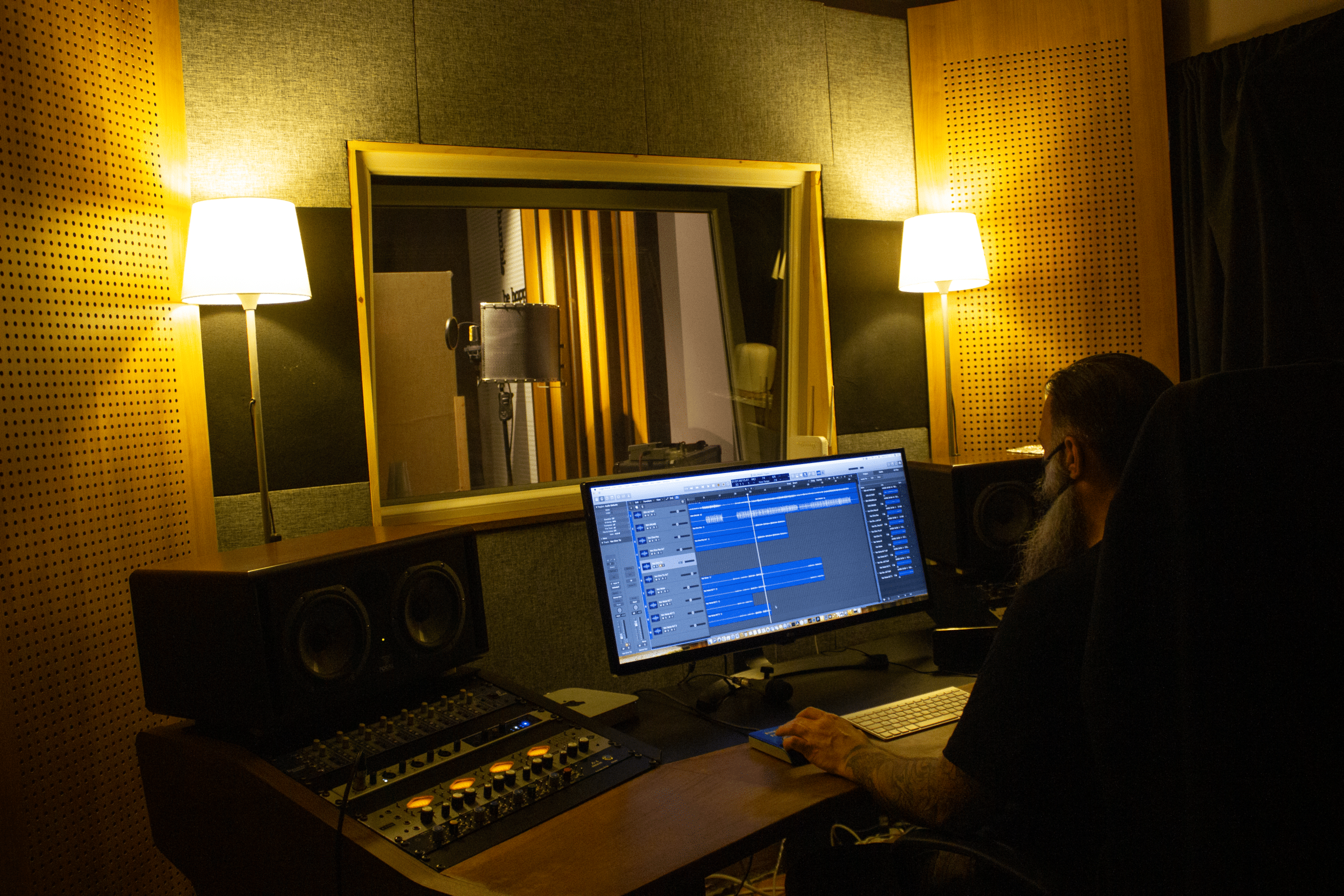
For dedicated spaces like home theaters or recording studios, install acoustic panels on the walls. These panels absorb mid and high-frequency sounds, eliminating harsh echoes. Combining floor treatments with wall and ceiling acoustic solutions creates a balanced, quiet environment.
Step 8: Seal the Doors and Windows
Even with a perfectly soundproofed floor, noise can sneak through doors and windows. Install weatherstripping around door frames to close gaps. Add a door sweep at the bottom to block the space between the door and floor—a common pathway for sound.
For windows, consider heavy soundproof curtains or window inserts. Double-glazed windows offer the best results, but they require a larger investment. Sealing these openings ensures your floor soundproofing efforts aren’t undermined by leaks elsewhere in the room.
Step 9: Decouple the Floor (Advanced)
For maximum soundproofing, decoupling separates the floor from the structure beneath it, preventing vibrations from traveling through. This advanced technique involves installing resilient channels, isolation clips, or a floating floor system.
A floating floor isn’t physically attached to the subfloor. Instead, it rests on a layer of underlayment or isolation pads, breaking the path for impact noise. While decoupling requires more expertise and expense, it’s the most effective method for blocking sound between floors—ideal for multi-level homes, apartments, and professional studios.
Step 10: Combine Multiple Methods for Best Results
No single solution will completely soundproof a room with hardwood floors. The most successful approach layers multiple techniques. For example, combine MLV, soundproofing underlayment, thick rugs, and acoustic wall panels for comprehensive noise reduction.
Start with the methods that match your budget and willingness to renovate. Renters might rely on rugs, mats, and curtains, while homeowners can invest in underlayment and floating floors. The cumulative effect of several strategies will deliver the quietest, most comfortable space.
Essential Materials Checklist
To soundproof your hardwood floor effectively, gather these key materials:
- Acoustic sealant or caulk for filling gaps
- Mass-loaded vinyl (MLV) for adding density
- Soundproofing underlayment (cork, rubber, or foam)
- Thick area rugs with rubber or felt pads
- Interlocking foam or rubber mats for high-impact zones
- Acoustic panels for walls and ceilings
- Weatherstripping and door sweeps for openings
Tips for Maximizing Soundproofing Results
Always prioritize sealing gaps before adding mass or absorption, as air leaks undermine every other effort. Choose products with documented IIC and STC (Sound Transmission Class) ratings to ensure proven performance. Layer materials with different densities, as varying mass disrupts sound waves more effectively than a single uniform layer.
Don’t overlook the ceiling of the room below if you have access to it—treating both sides of a floor structure dramatically improves results. Finally, test your soundproofing as you go. Make adjustments based on what you hear, adding more rugs, panels, or sealant where noise persists. Patience and a methodical approach will transform your noisy hardwood-floored room into a peaceful, quiet retreat.