Understanding How Sound Travels
Before choosing the right soundproofing material, it helps to understand how sound moves through spaces. Sound travels in waves, vibrating through air and solid structures. When these vibrations reach a wall, floor, or ceiling, they pass through unless something interrupts them. Effective soundproofing works by either blocking, absorbing, or dampening these vibrations.
There are two main types of sound to consider: airborne noise (voices, music, traffic) and impact noise (footsteps, slamming doors, vibrations). The best soundproofing strategy often combines materials that address both, since no single product handles every sound problem perfectly.
Mass-Loaded Vinyl (MLV)
Mass-loaded vinyl is one of the most effective sound-blocking materials available. This dense, flexible material adds significant mass to walls, floors, and ceilings without taking up much space. Because sound struggles to pass through heavy, dense barriers, MLV excels at blocking airborne noise.
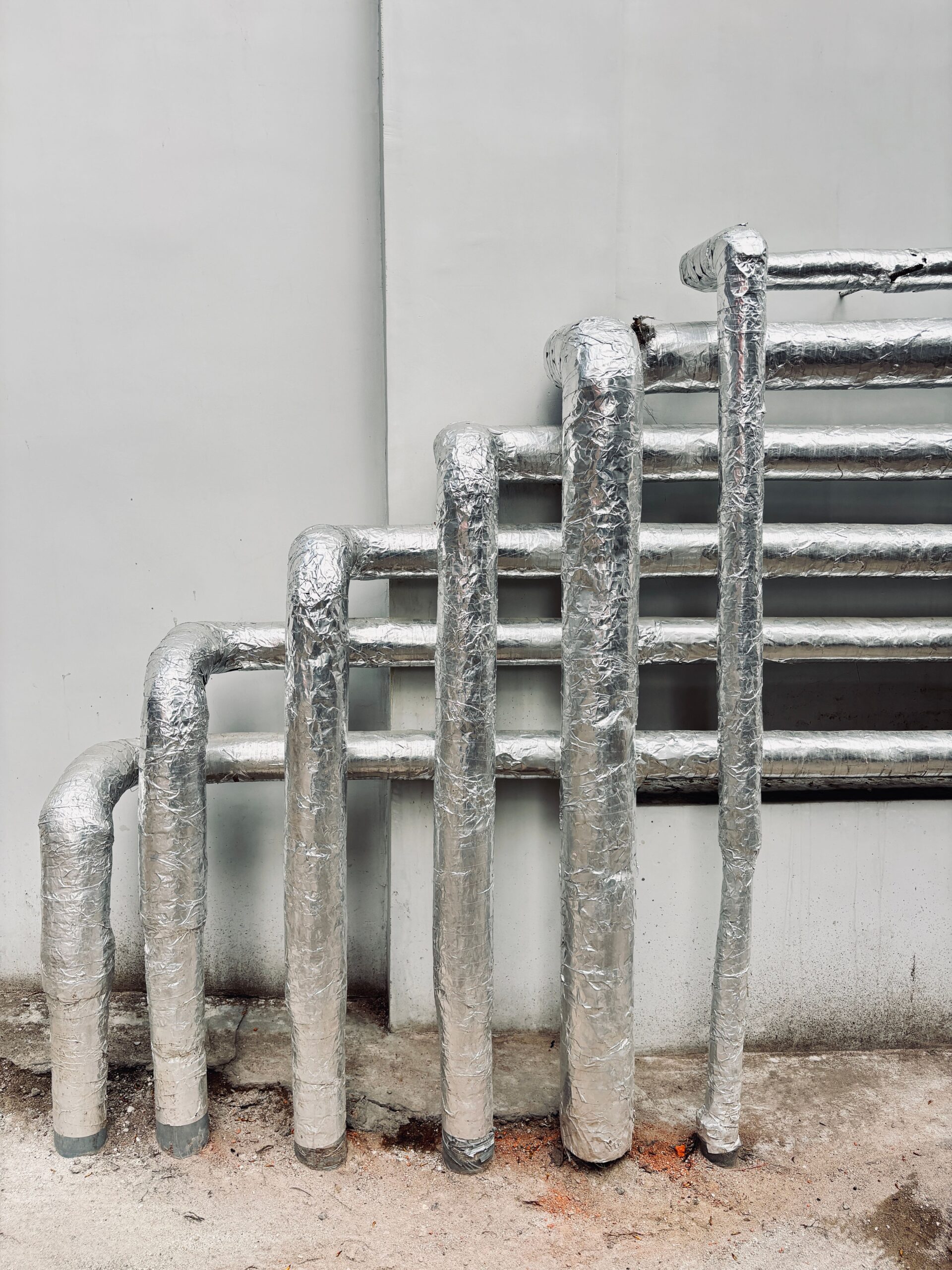
MLV is commonly used behind drywall, under flooring, or wrapped around noisy pipes and ducts. With a typical Sound Transmission Class (STC) rating between 20 and 27 on its own, it dramatically improves a wall’s overall performance when layered with other materials. Its thin profile makes it ideal for renovations where space is limited.
Acoustic Foam Panels
Acoustic foam is widely recognized, especially in recording studios and home theaters. However, it’s important to understand that foam absorbs sound rather than blocks it. Acoustic foam reduces echo, reverberation, and overall noise clarity within a room, making it perfect for improving sound quality.
While foam won’t stop noise from leaking into adjacent rooms, it’s an excellent complement to denser blocking materials. Its lightweight, easy-to-install panels come in various thicknesses and shapes, with thicker foam absorbing lower frequencies more effectively.
Fiberglass Insulation
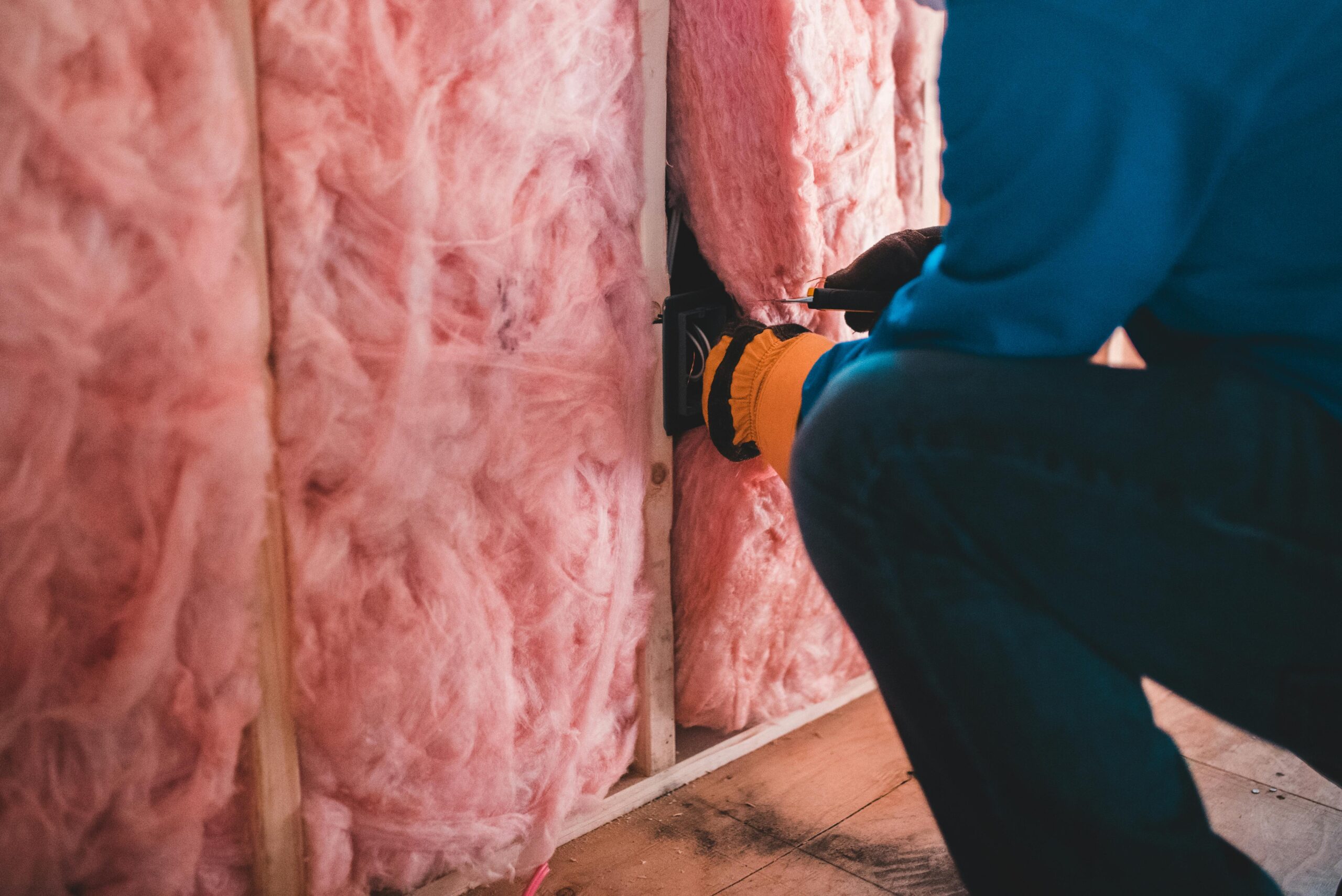
Fiberglass insulation is a budget-friendly soundproofing solution often installed inside wall cavities. Its dense, fibrous structure traps sound waves, reducing both airborne noise transmission and echo. Mineral wool and rockwool variations offer even better performance due to their higher density.
Beyond soundproofing, fiberglass provides thermal insulation, making it a dual-purpose investment. For optimal results, it should fill the entire cavity without compression, allowing it to absorb maximum sound energy.
Mineral Wool and Rockwool
Mineral wool, including brands like Rockwool, is denser than standard fiberglass and offers superior sound absorption. Its fire-resistant properties make it especially popular for interior walls and floors. The dense fibers effectively dampen sound vibrations, reducing noise between rooms.
Mineral wool performs exceptionally well in the mid-to-high frequency range and works best when combined with mass-loaded barriers. It’s a favorite among professionals seeking both acoustic and safety benefits.
Soundproof Drywall
Soundproof drywall, such as QuietRock, contains layers of gypsum, ceramics, and viscoelastic polymers that dampen sound vibrations. A single sheet of soundproof drywall can replace multiple layers of standard drywall, saving installation time and space.
With STC ratings significantly higher than regular drywall, this material is ideal for shared walls in apartments, offices, and bedrooms. While more expensive than standard options, its convenience and effectiveness justify the cost for many homeowners.
Green Glue Compound
Green Glue is a viscoelastic damping compound applied between two rigid surfaces, like layers of drywall. It converts sound energy into small amounts of heat, dramatically reducing vibration transfer. This product is particularly effective against low-frequency noise, which is notoriously difficult to block.
Easy to apply with a standard caulking gun, Green Glue is a popular DIY solution. When sandwiched between drywall layers, it can boost a wall’s STC rating substantially, making it a cost-effective addition to any soundproofing project.
Resilient Channels and Sound Clips
Resilient channels and sound isolation clips are mechanical solutions that decouple drywall from the structural framing. By creating a gap that interrupts vibration paths, these systems prevent sound from traveling through wall studs and joists.
This decoupling technique is one of the most effective ways to reduce impact and airborne noise. Combined with insulation and dense drywall, resilient channels can transform a noisy wall into a quiet barrier.
Acoustic Caulk and Sealant
Sound leaks through even the smallest gaps and cracks. Acoustic caulk is a flexible sealant designed to fill these openings around outlets, baseboards, windows, and door frames. Unlike standard caulk, it remains flexible over time, preventing cracks that allow sound to escape.
While not a standalone solution, acoustic sealant is essential for finishing any soundproofing project. Sealing gaps ensures that your dense materials and insulation perform at their full potential.
Heavy Curtains and Soundproof Blankets
For renters or those seeking temporary solutions, heavy soundproof curtains and moving blankets offer affordable noise reduction. While they won’t match permanent installations, thick, dense fabrics absorb sound and reduce echo, especially near windows.
Soundproof blankets are also useful for covering doors, walls, or noisy equipment. Their portability and ease of installation make them a practical choice for studios, garages, and rental properties.
Mass and Density: The Key Principle
When evaluating soundproofing materials, density and mass are the most important factors. Heavier, denser materials block sound more effectively because they resist vibration. This is why combining multiple dense layers, like drywall, MLV, and insulation, produces the best results.
The principle of “mass, damping, decoupling, and absorption” guides professional soundproofing. No single material achieves perfect soundproofing alone; the most successful projects layer complementary products to address different noise types and frequencies.
Choosing the Right Material for Your Needs
Selecting the best soundproofing material depends on your specific goals, budget, and space. For blocking airborne noise between rooms, mass-loaded vinyl and soundproof drywall excel. For absorbing echo within a room, acoustic foam and mineral wool work best. To reduce impact noise, resilient channels and decoupling systems are essential.
Consider the construction type, whether you’re renovating or building new, and any space constraints. Combining several materials almost always outperforms relying on a single product.
Maximizing Soundproofing Effectiveness
To achieve professional-level results, address sound from multiple angles. Start by sealing all gaps with acoustic caulk, add mass with dense materials, fill cavities with insulation, and decouple surfaces where possible. Pay attention to weak points like doors, windows, and electrical outlets, which often allow the most sound leakage.
Remember that soundproofing is a system, not a single fix. By understanding how different materials interact and layering them strategically, you can create quiet, comfortable spaces tailored to your specific noise challenges and acoustic goals.